

Where to Look for Homes in Dartmouth, MA
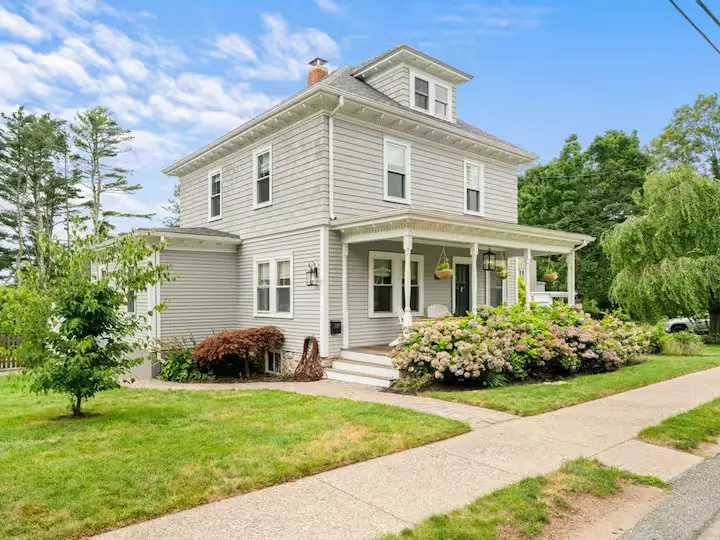
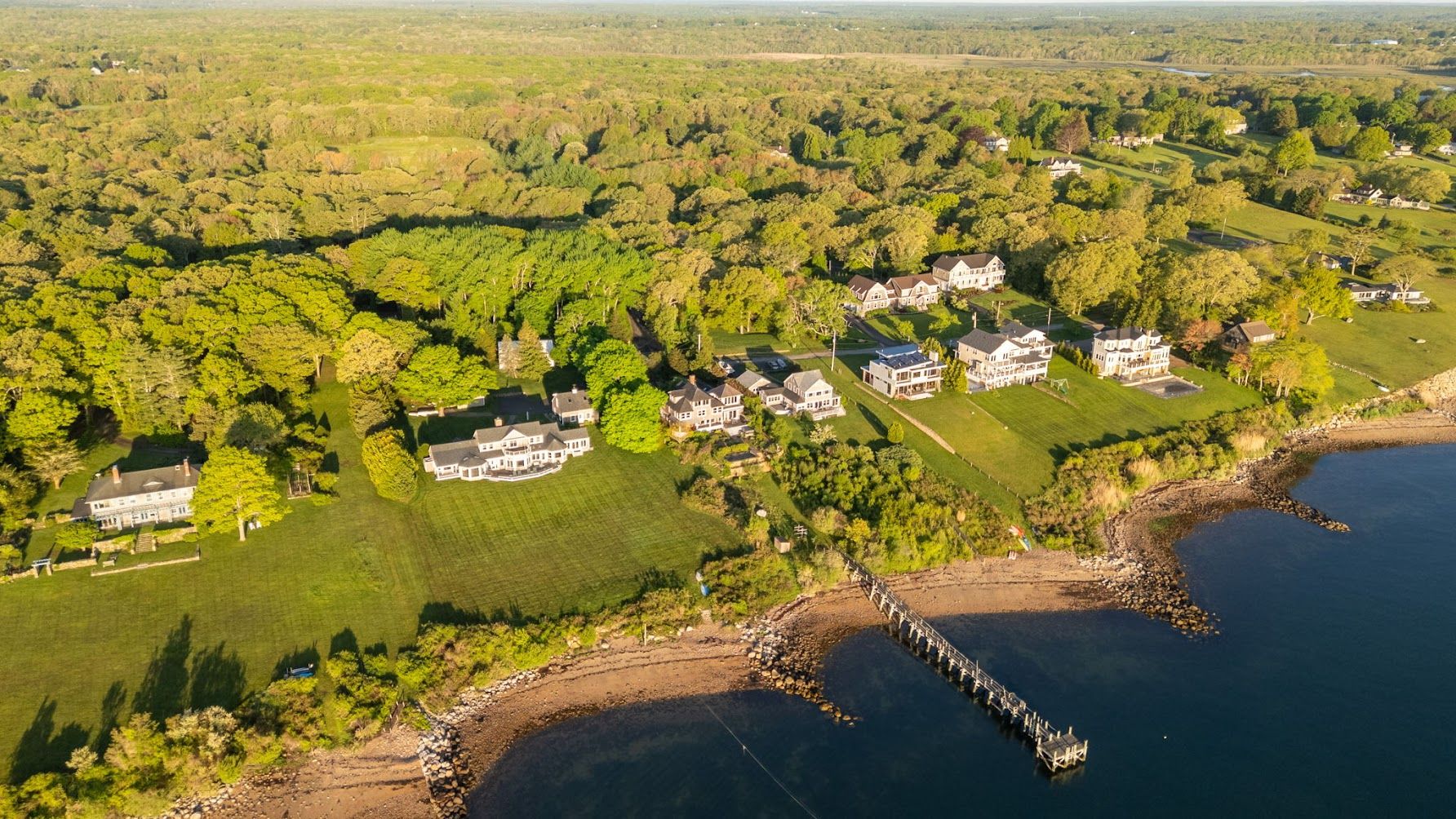
If you have started looking for a home in Dartmouth, you have probably already opened three or four real estate sites and noticed something. A lot of the same houses keep showing up. That is not a coincidence, and once you understand why, it changes how you decide where to actually spend your time. This guide walks through the main websites people use to search for homes in Dartmouth, MA, what each one does well, where each one falls short, and how to find homes without missing the ones that matter.
The thing most home-search sites have in common
Almost every site you can name pulls its listings from the same place: the Multiple Listing Service, or MLS. When a home goes on the market in Dartmouth, the listing agent enters it into the MLS, and from there it feeds out to the big national sites and to local brokerage sites alike. That is why Zillow, Realtor.com, Redfin, and a local site can all show you more or less the same set of homes.
So the real question is not which site has the most listings. They mostly draw from one pool. The question is which source gives you the most accurate, most current version of that pool, and which one connects you to someone who actually knows the streets you are looking at.
What the national sites do well, and where they fall short
Zillow
Zillow is usually the first stop, and for good reason. It has the largest audience, a clean interface, and filters for just about everything. The Zestimate gives you a rough sense of value, though it is an automated estimate and can be well off on Dartmouth's older and waterfront homes, where no two properties are really comparable. The other thing worth knowing is how Zillow makes its money. When you click to ask about a home, you are often connected to an agent who paid to advertise in that area, not the agent who actually listed the house. That is fine to know going in, as long as you know it.
There is also the matter of what Zillow shows in the first place. Because the site runs on buyer leads, its default view leans toward homes that are actively available. Once a property goes under agreement, whether pending or contingent, it often drops out of that default for-sale view or stops appearing the way it did before. That trips up a lot of people, sellers especially, who go looking for their own home and cannot find it. More on that in the questions below.
Realtor.com
Realtor.com tends to be one of the more current of the national sites because of how closely it is tied to the MLS. Listings and status changes often show up here a little faster than on some competitors. The search tools are solid and the data is reliable. It is a good site to cross-check against Zillow when you want to confirm whether a home is still available.
Redfin
Redfin works a little differently. It is both a website and a brokerage with its own agents, so the listings come with Redfin's own market data and price history. The map-based search is one of the better ones out there. The tradeoff is that the experience is built to route you toward Redfin's own agents and model, which may or may not be what you want when you are buying in a specific town like Dartmouth.
Trulia
Trulia is owned by Zillow and runs on the same listing data, so you will see a lot of overlap. It leans more toward neighborhood-level browsing. If you already use Zillow, Trulia is not going to surface many homes you have not already seen.
Why a local site is the better place to start
Here is where the national sites reach their limit. They are built to serve every market in the country, which means they are not built for any one town in particular. A local brokerage site is, and that changes a few things in your favor.
First, the data is often fresher. A local site pulls directly from the regional MLS, so price changes, new listings, and status updates can appear without the lag that sometimes shows up on the national portals.
Second, you are not the product. On the big portals, your contact information is frequently sold or routed to whoever paid for the lead in that zip code. When you reach out through a local brokerage like TIDES, you are talking to people who actually work in Dartmouth, not an agent assigned to you by an algorithm three states away.
Third, you get the homes that never make it to the portals at all. Coming-soon listings, properties being quietly shopped before they hit the open market, and homes an agent knows are about to list do not show up on the national sites until later, if ever. In a town like Dartmouth, where the right home in the right spot does not come up often, that head start matters.
And fourth, you get context. A website can tell you a house has three bedrooms and a water view. It cannot tell you that a road floods at the wrong tide, or that a quiet street backs up to something loud in summer, or which pockets of town tend to hold their value. That is the part you cannot filter for, and it is the part that actually protects you.
How the MLS actually works
The MLS is the database real estate professionals use to list and share property information. It is the original source that nearly every public site draws from, and it is updated in real time by the agents working in the market. The catch is that full MLS access is not public. The public sites get a filtered, slightly delayed version of it. A local agent can set you up with direct MLS alerts, which means you hear about a new Dartmouth listing the day it goes live rather than whenever a national site gets around to refreshing.
How to use these tools without wasting time
A few habits make the search go faster and keep you from missing homes.
Set up saved searches and alerts on whichever site you use most, so new Dartmouth listings come to you instead of you checking ten times a day. Cross-check a home on a second site before you get attached, since status and price are not always in sync across platforms. Decide on a realistic budget early, including the parts people forget like property taxes, insurance, and closing costs, so you are only looking at homes you can actually move on. And connect with someone local before you are ready to buy, not after. The homes worth chasing in Dartmouth tend to move quickly, and being ready beats being fast.
A few honest answers about looking for homes in Dartmouth
Are all these sites really showing me the same homes? Mostly, yes. Almost all of them pull from the same MLS feed, so the listings overlap heavily. Where they differ is in how current the data is and what they do with your information once you reach out.
What does the average home cost in Dartmouth? It varies widely depending on the part of town and whether a home has water access, so a single average number is not very useful. A current market report is a better way to see where prices actually sit right now.
Are there waterfront homes in Dartmouth? Yes. Dartmouth's coastline means there is a steady mix of waterfront and water-view homes, and they tend to draw strong interest, so they often move quickly.
How accurate are the automated price estimates? Treat them as a rough starting point, not a real value. Automated estimates struggle most with the kind of older and one-of-a-kind homes Dartmouth has a lot of, where condition and location matter more than any formula can capture.
Do I actually need a local agent? You are not required to have one, but a local agent gives you direct MLS alerts, a heads-up on homes before they list, and honest context on specific streets and properties. That is the difference between browsing and actually finding the right home.
I am selling my home. Why is it not showing up on Zillow? This is one of the most common questions we hear from sellers, and the answer is usually that you are looking at a third-party site, not the source. When a home goes under agreement, whether pending or contingent, portals like Zillow often drop it from the default for-sale view or change how it appears, since their search is built around homes that are still available. Your listing can be fully active in the MLS and live on our own site while looking missing or out of date on Zillow. We have no control over how the national portals choose to display a listing, which is one of the reasons we keep our own database fed directly from the MLS. If you ever cannot find your home, check with us first rather than the portal.
Where this leaves you
You do not have to pick one site and stick with it. Use the national portals to browse and get a feel for what is out there. Just know that they are a starting point, not the whole picture. The homes that move fastest, the ones that never quite make it online, and the context that keeps you from a costly mistake all live with the people who work in Dartmouth every day.
If you want the most current Dartmouth listings and someone who can tell you what the photos leave out, that is what we do at TIDES. Reach out and we will set you up with the real thing.
Categories
- All Blogs (57)
- Beaches (5)
- buyers (1)
- Buying (1)
- coastal living (17)
- Dartmouth (20)
- Dartmouth MA Real Estate (8)
- Divorce & selling a home (1)
- Equestrian (1)
- Equestrian Real Estate (1)
- Fall River, Massachusetts (1)
- Farm Coast (1)
- Farmland (1)
- Fixer Upper (1)
- Investors (1)
- Land Sale (1)
- Local Events (3)
- Local Guides (6)
- Local History (3)
- Local Real Estate News (7)
- Moving to Massachusetts (12)
- New Bedford, Massachusetts (13)
- Padanaram Village (7)
- Rental (1)
- Rochester MA Real Estate (1)
- sellers (2)
- Selling a home in Massachusetts (6)
- Selling a home in Rhode Island (1)
- South Coast Living (25)
- South Coast Massachusetts Real Estate (3)
- South Dartmouth (1)
- Southcoast, Massachusetts (16)
- The South Coast Sloop (1)
- Things to Do in Dartmouth (3)
- Things to do in New Bedford (2)
Recent Posts






GET IN TOUCH WITH US!

Broker License ID: 9585698
REVIEWS

Ryan Lombard


C. David

Heather DaSilva
Sold our house fast in New Bedford without any repairs
MORE FROM OUR BLOG
Living in South Dartmouth & Padanaram Village
Most people have never heard of Padanaram Village, and honestly, that's part of what makes it so special. Why we kept coming back to South Dartmouth I was born and raised in Dartmouth, and surprisingly, my husband John was too. We met in first grade at Cushman School and spent our entire childhoods
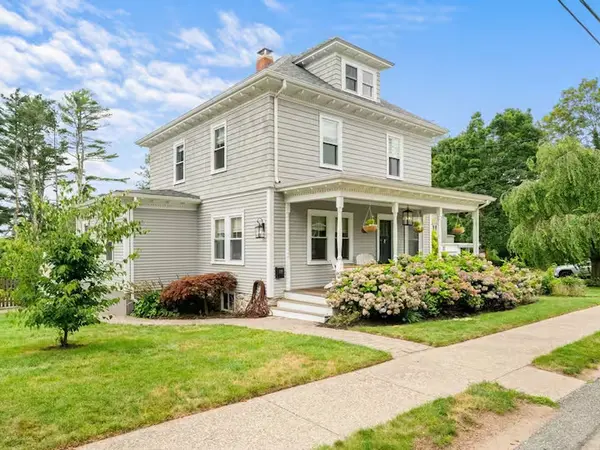
Where to Look for Homes in Dartmouth, MA
If you have started looking for a home in Dartmouth, you have probably already opened three or four real estate sites and noticed something. A lot of the same houses keep showing up. That is not a coincidence, and once you understand why, it changes how you decide where to actually spend your time.
Padanaram Harbor Just Reminded Us Why It Keeps Winning
A full double rainbow set down over Padanaram Harbor last night. It came in right after a passing shower, the kind we get a lot of in late May, and it arced clean across the water from the marina side all the way over toward the bridge. Both bands showed. If you have spent any real time in Padanara