Buyers touring homes in Edgartown or Oak Bluffs usually have a handle on the purchase price, the mortgage, and the closing costs their lender has walked them through. Then their attorney mentions the Land Bank fee, and the math changes.
It isn't small. On a $1.5 million purchase, a straightforward 2% comes to $30,000, due at closing, on top of everything else. It catches people off guard because it's unique to the Islands. Nowhere else in Massachusetts works this way, which means the number rarely shows up on a generic closing cost calculator.
We've walked buyers through this exact conversation more than once. They've budgeted carefully for the purchase price and the mortgage, and the Land Bank fee is the number that almost gets missed. It's not a reason to walk away from an Island purchase. It's a reason to ask about it in week one, not week six.
Here's what the fee actually covers, how the first-time buyer exemption works, and why a number you find in an old blog post or forum thread is probably out of date.
What the fee pays for, and who owes it
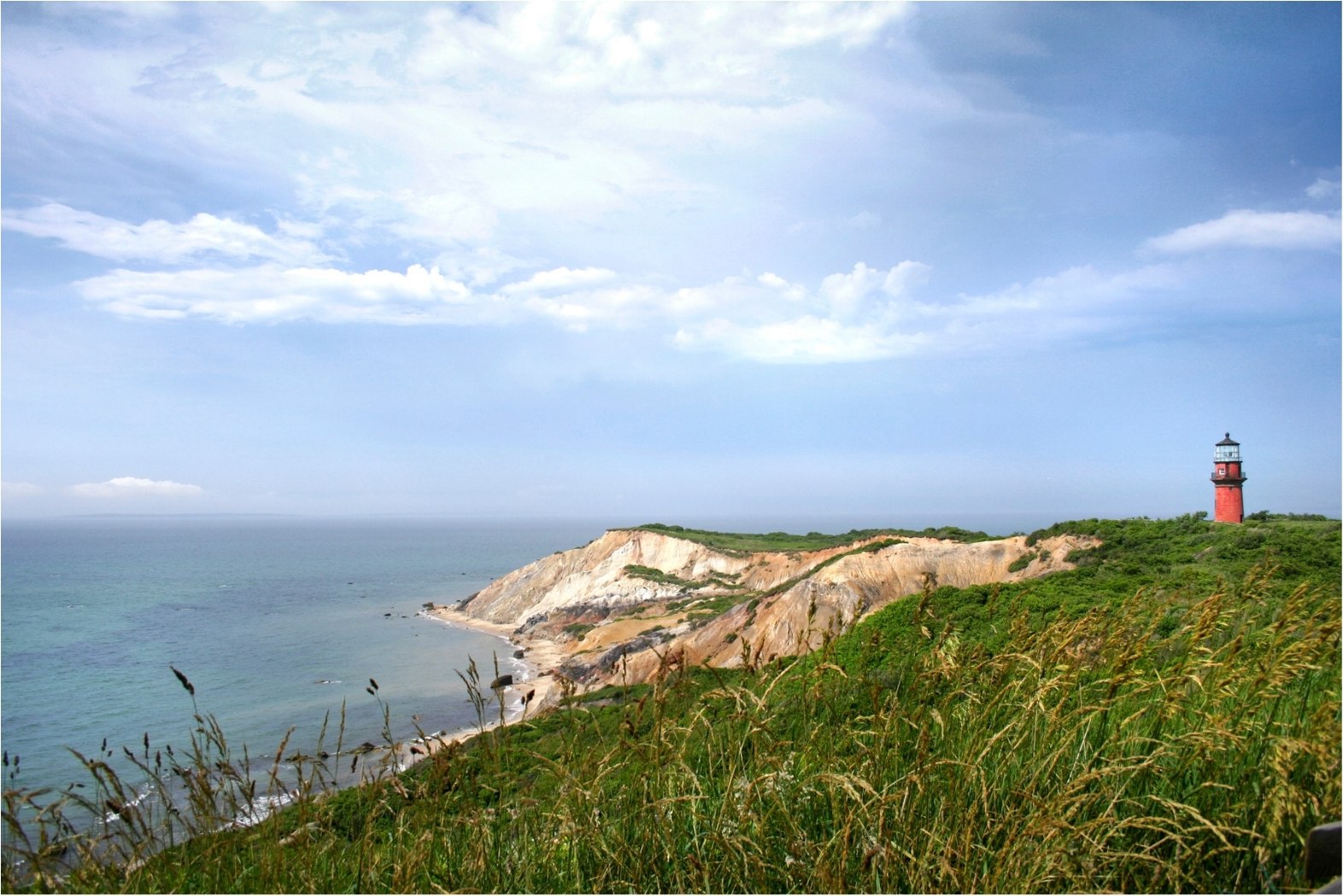
The Martha's Vineyard Land Bank Commission uses this fee to buy and protect open space across the six island towns: Aquinnah, Chilmark, Edgartown, Oak Bluffs, Tisbury, and West Tisbury. It's been in place since the 1980s, funding the conservation land, farmland, and public beach access that keeps large parts of the Island undeveloped.
The fee is charged on the buyer's side, not the seller's, and it comes due when the deed is recorded. It sits alongside the state's standard deeds excise tax, which Massachusetts charges sellers statewide at $4.56 per $1,000 of the sale price. The Land Bank fee doesn't replace that tax. It's an additional cost layered on top, and both sides of an Island closing carry a real transfer cost that buyers on the mainland don't see.
Here's what the fee looks like at different price points, assuming no exemption applies:
- $700,000 purchase: $14,000
- $1,000,000 purchase: $20,000
- $1,500,000 purchase: $30,000
- $2,500,000 purchase: $50,000
None of these show up on a standard mortgage closing disclosure unless your attorney flags it early, so it's worth asking about before you're deep into an offer, not during the final walkthrough of your closing costs. For buyers who qualify for the exemption below, that math changes considerably, which is exactly why the current threshold matters before you get attached to a specific number.
The first-time buyer exemption, and why the threshold matters
Buyers who have never owned real property anywhere, and who commit to living in the home year-round, can apply for what the Land Bank calls the M exemption. It doesn't wipe out the fee entirely. You only pay the 2% on the portion of your purchase price above a threshold that the Land Bank Commission resets every December for the following calendar year.
Say the threshold were $800,000 and you were buying a $1 million home. You'd pay 2% on the $200,000 above the threshold, or $4,000, instead of $20,000 on the full price. That's a meaningful difference for a buyer working with a tighter budget on the Island.
The threshold itself moves every year. The Commission recalculates it using a two-year rolling average of exemption-eligible sale prices, with a floor of $300,000. It's climbed most years as Island prices have: $595,000 in 2021, $715,000 in 2022, and $800,000 as of January 2023. We don't have a confirmed figure past that, and that's the point: this number resets on a schedule, so anything you read that's more than a year old is worth verifying with the Land Bank or your closing attorney before you build a budget around it.
A few other details worth knowing before you assume you qualify:
- The exemption comes with a five-year residency commitment. Sell before that period is up, and the fee you were exempted from can come due, with interest.
- The Land Bank records a lien on the property once the exemption is granted, specifically to enforce that residency requirement.
- "First-time buyer" means you've never owned real property anywhere, not just on the Vineyard.
- Nantucket runs a similar 2% Land Bank fee with its own exemption threshold, set separately from the Vineyard's. The two programs are structured alike but administered independently, so don't assume a number you heard about one applies to the other.
What this means for your offer
If you're working with a lender on a Vineyard purchase, ask your closing attorney to run the Land Bank math alongside your other closing costs as soon as you have an accepted offer, not the week before closing. The exemption application itself goes through the Land Bank office, not your lender or your real estate advisor, and it needs to be resolved before the deed is recorded. Loop your attorney in early so there's time to confirm your eligibility and the current threshold before your closing date is set.
This is the same kind of groundwork we walk every buyer through before they write an offer on Martha's Vineyard, right alongside the broader budgeting questions covered in Questions to Ask When Buying a Home in Massachusetts.
It's also worth knowing that a large share of Island purchases close in cash, which affects how sellers evaluate offers and how quickly deals move. If you're financing, that makes it even more important to have your full number, meaning purchase price, financing costs, and the Land Bank fee, locked down before you're competing for a property, not after.
Construction and renovation costs on the Island also tend to run higher than the mainland, since labor and materials both have to make the trip over. If your plan involves any work after closing, build that into your number too.
None of this is a reason to avoid buying on Martha's Vineyard. It's a reason to know your full number before you write an offer, not after.
Buying on Martha's Vineyard means budgeting for a cost that doesn't exist anywhere else in the South Coast or coastal Rhode Island, and the exemption that could reduce it changes every year. The only way to know your real number, both the fee and whether you qualify for a break on it, is to work through it with someone who closes Island deals regularly.
If you're starting a search on the Vineyard, we can set you up with a personalized property search and new listing alerts so you see what's actually available, and we'll walk you through what a specific property will cost you at closing before you write an offer. Start your search with TIDES.