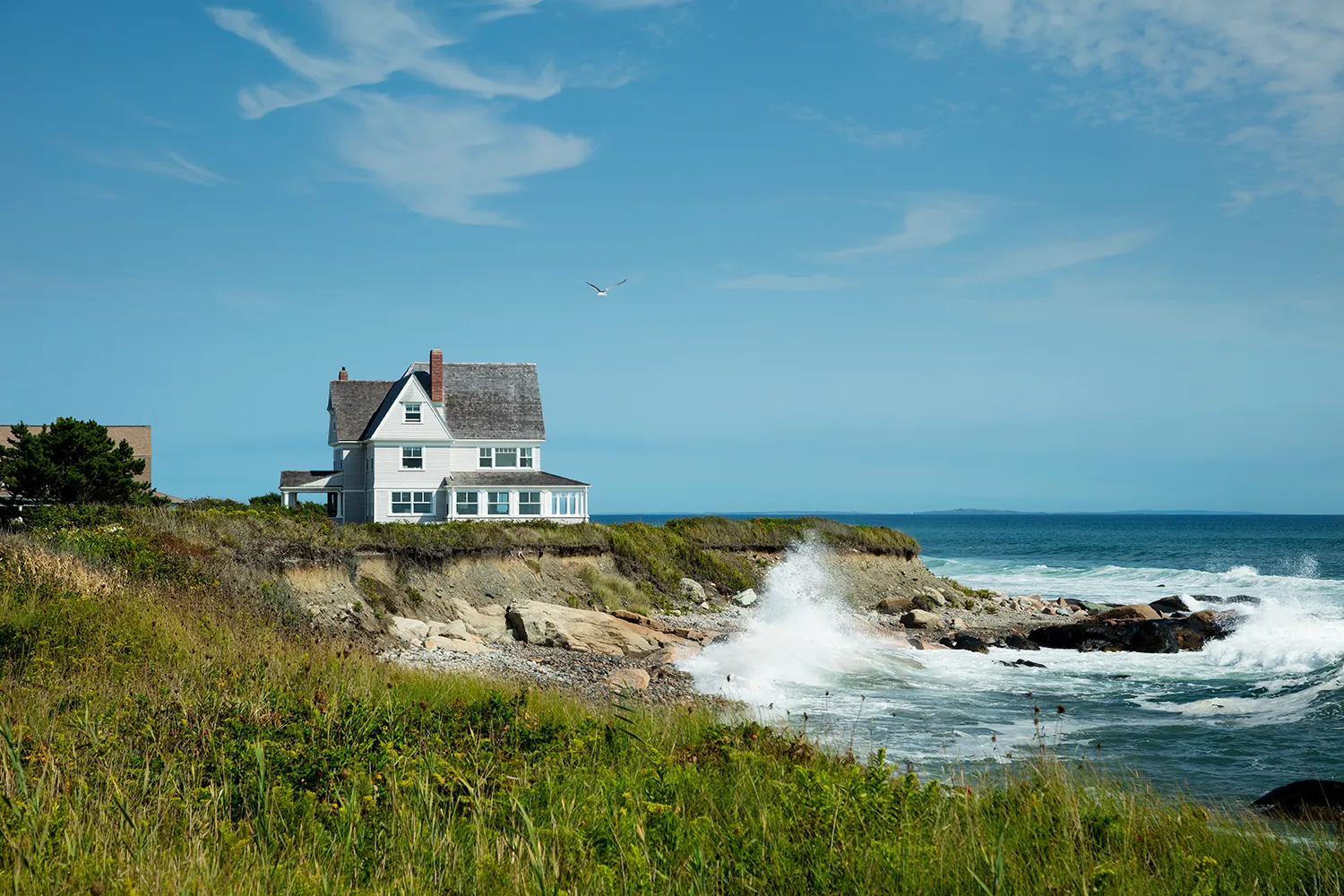
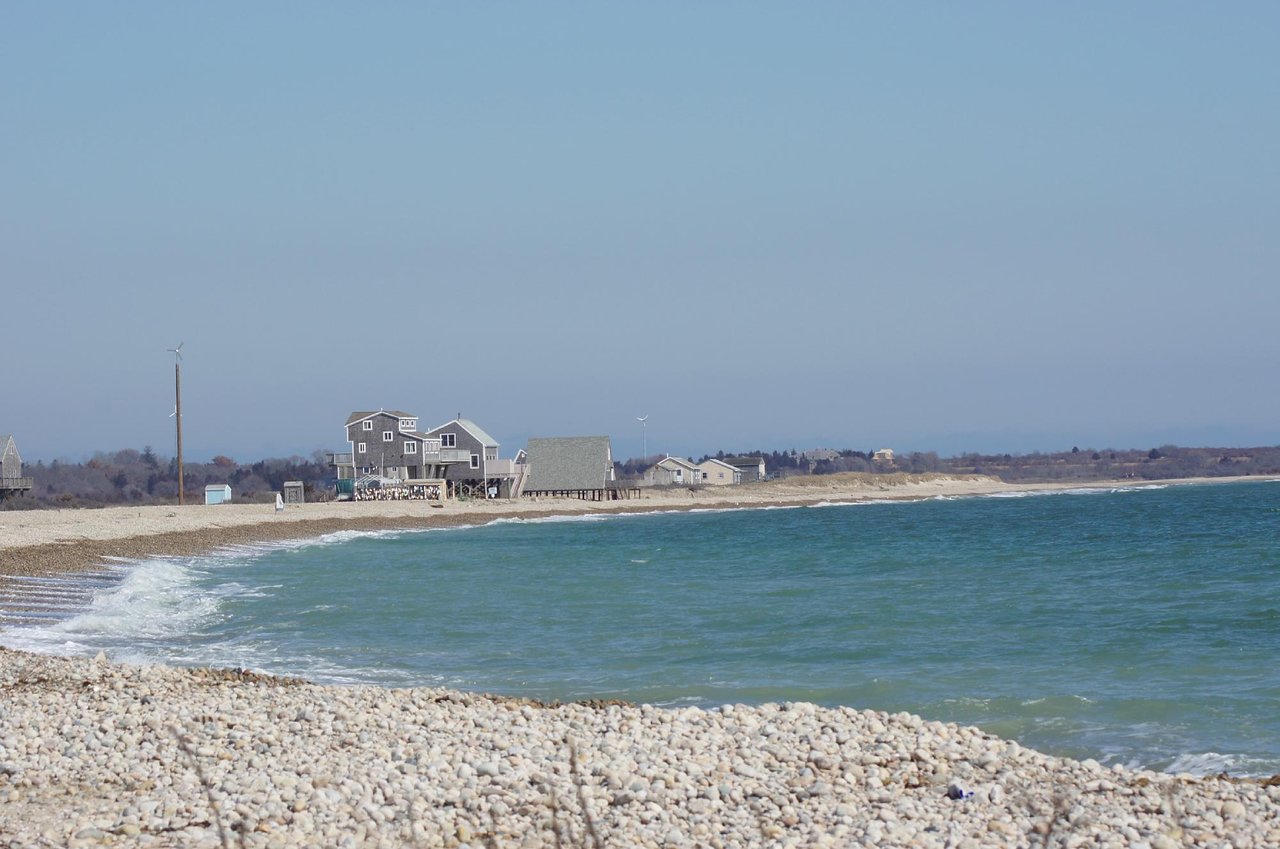
Buyers on the South Coast fall in love with the water. It is the whole point of Fairhaven, Mattapoisett, Marion, Wareham, and Westport. But before you write an offer on a house near a harbor, a river, or a beach, you need to know two things. Your homeowners policy will not cover flooding. And in Massachusetts, the seller does not have to tell you the basement took on water two winters ago.
That second part surprises almost everyone. Here is how the rules actually work, what flood insurance costs in 2026, and how to protect yourself during the offer and inspection window.
The seller does not have to tell you about flooding
Massachusetts has no law requiring a home seller to disclose a property's flood risk or its flooding history. According to the Metropolitan Area Planning Council, Massachusetts is one of only 14 states, and the only state in New England, without any flood disclosure requirement. A seller is not obligated to volunteer that the crawl space floods in a nor'easter, that they filed a flood insurance claim, or that the house sits in a FEMA flood zone.
There are limits. A seller cannot lie to you. If you ask a direct question, they have to answer it truthfully, and knowingly concealing flood damage can expose a seller to fraud claims. Optional disclosure forms exist in Massachusetts, but nothing requires a seller to complete one. The state's mandatory disclosure rules are narrow, covering lead paint and septic systems under Title 5. Flood is not on the list.
Lawmakers have noticed the gap. A bill in the current legislative session, S.753 and its House companion H.1345, would require sellers and landlords to disclose past flooding, flood insurance claims, and flood zone status on a standard state form, with a $1,000 fine per violation. As of this writing it has not become law. Until it does, the homework is yours.
The practical move is simple: ask direct questions, in writing, early in the process. The exact questions are below.
Look up the flood zone yourself in five minutes
FEMA publishes the flood maps that lenders and insurers rely on, and anyone can search them for free at the FEMA Flood Map Service Center. Type in the address and you can pull up the flood map panel for that exact parcel before you ever make an offer.
Three designations matter most on our coast, as defined by the National Flood Insurance Program:
- Zone VE. Coastal high hazard areas subject to wave action, common along open shoreline like Westport's beaches. These carry the highest premiums and the strictest building rules.
- Zone AE. The so-called 100 year floodplain, meaning a 1 percent chance of flooding in any given year. That sounds small until you run the math. Compounded over a 30 year mortgage, it works out to roughly a 1 in 4 chance.
- Zone X. Moderate to minimal risk. Flood insurance is optional here and far cheaper.
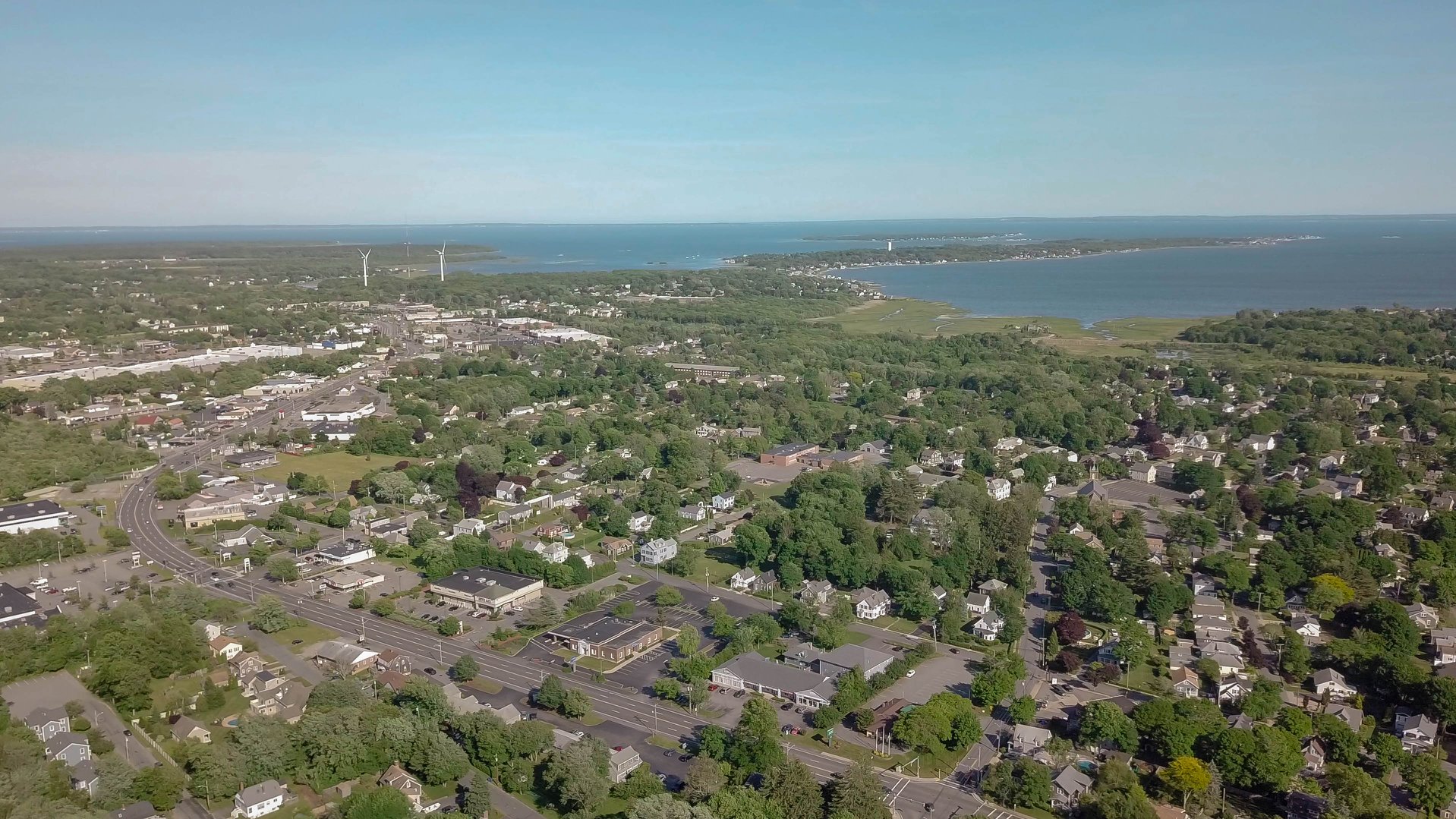
Two cautions. First, flood maps get revised, so check the effective date on the panel and ask the town whether a remapping is underway. Second, FEMA maps mainly model coastal and river flooding. MAPC's research notes that the maps capture little of the stormwater flooding risk that comes from overwhelmed drainage, which can soak a "low risk" property in a heavy rain. More than 400,000 Massachusetts residents already live in a mapped 100 year flood zone, and plenty of water damage happens outside those lines.
What flood insurance really costs in 2026
Flood coverage is always a separate policy, bought either through the federal National Flood Insurance Program or from a private carrier. Your homeowners policy excludes flood, full stop.
ValuePenguin's 2026 analysis of NFIP policy data puts the average Massachusetts flood premium at $1,078 per year, roughly $90 a month and about $260 above the national average. Massachusetts ranks as the 12th most expensive state because we face flood risk from both the ocean and our rivers. Treat that average as a midpoint, not a quote. Premiums within the state range from a few hundred dollars a year to several thousand depending on the property.
Since late 2021, FEMA has priced NFIP policies under Risk Rating 2.0, which rates each building individually using distance to water, the type and frequency of flooding, foundation type, the height of the lowest floor, and the cost to rebuild the structure. Two houses on the same street can pay very different premiums. For most primary homes, annual increases are capped at 18 percent, which matters when a property's rate is still climbing toward its full risk price. Ask what the seller pays now, and ask an agent what the policy will cost at full freight.
Know the NFIP's ceilings: $250,000 of building coverage and $100,000 for contents. That cap is the quiet issue on the South Coast. Recent Redfin data shows median sale prices in Wareham running around $532,000 for the three months ending June 2026, with Fairhaven in a similar range, and waterfront homes trade well above that. Rebuilding a median priced coastal home can easily cost more than the NFIP will pay. Private flood carriers offer higher limits, and depending on the property their pricing can beat the NFIP or run well above it. Quote both before you commit.
Two lender facts worth knowing:
- If the home sits in a high risk zone, meaning any zone starting with A or V, and you use a federally backed mortgage, flood insurance is not optional. Federal law requires your lender to require it.
- The NFIP normally imposes a 30 day waiting period before coverage starts, but that wait is waived when the policy is purchased in connection with a loan closing. Coverage begins at closing. If you are buying with cash, the 30 day clock does apply, so bind coverage the day you go under agreement, not the day a storm shows up in the forecast.
The elevation certificate can swing the premium
An elevation certificate is a surveyed document showing how high a building's lowest floor sits relative to the base flood elevation on the FEMA map. Under Risk Rating 2.0 you no longer need one to buy NFIP coverage, because FEMA uses its own elevation data to set the rate.
So why care? Because FEMA's estimate is not always right. If a survey shows the house sits higher than FEMA assumes, submitting the certificate can cut the premium, and on an elevated coastal home the difference can be significant. Have your agent run the quote both ways before you submit anything, so you know exactly what the certificate is worth.
Before paying for a new certificate, try to find one free:
- Ask the seller. If the house has ever carried flood insurance, a certificate may already exist. Request it with your offer or during inspection.
- Ask the town. Every participating community has a floodplain administrator, often in the building or conservation office, who may have one on file.
- Ask the builder if the house is newer construction inside a mapped zone.
If none exists, a licensed land surveyor, engineer, or architect can produce one. ValuePenguin's 2026 figures put the average cost around $600, with a range from under $200 to about $2,000 depending on the property. Before spending the money, ask your insurance agent to compare the quote with and without it, since on some properties the savings are large and on others they are trivial.
Questions to ask before your inspection window closes
In Massachusetts you typically get a short stretch between accepted offer and the purchase and sale agreement, with the home inspection inside it. Use it. Alongside the standard items in our guide to questions to ask when buying a home in Massachusetts, add these five:
- Has water ever entered the house, basement, or crawl space? Ask in writing. Sellers do not have to volunteer this, but they must answer a direct question truthfully.
- Have you ever filed a flood or water damage insurance claim on this property? Prior NFIP claims follow the property and can affect future coverage and pricing.
- Do you currently carry flood insurance, and what is the premium? The seller's actual bill is better information than any online estimate.
- Is there an elevation certificate for the property?
- What flood zone is the property in, and has the map changed since you bought?
Then let your inspector read the physical story: water staining, mineral deposits on foundation walls, sump pumps and French drains, and mechanicals like the furnace, water heater, or electrical panel that look much newer than the house, which can mean replacement after water damage. None of these prove past flooding on their own, but they tell you where to press.
Most important, get a real flood insurance quote for the specific address before your contingencies expire, and put it into your monthly budget next to taxes and homeowners coverage. A $200 a month flood premium changes what a house truly costs, and it is far better to learn that number during the inspection window than at the closing table.
Buy the water view with your eyes open
A flood zone is not a reason to walk away. Some of the best homes on the South Coast sit near water, and thousands of owners here insure them without drama. It is a reason to price the risk before you commit, especially in a market that, as our 2026 South Coast housing forecast lays out, is still competitive enough that buyers feel pressure to skip the homework.
If you are looking at coastal Fairhaven, Mattapoisett, Marion, Wareham, or Westport and want a second set of eyes on the zone, the insurance numbers, and the right questions for the listing side, that is exactly what we do for buyers every week. Start at Buying with TIDES and we will help you buy near the water with a clear head.